
Auto-generated post_excerpt

Whales: Giants of the Ocean Whales are among the largest and most remarkable animals on Earth. These marine mammals live in oceans around the world, from warm tropical waters to the cold seas surrounding the poles. Life Beneath the Surface Although whales spend their lives in water, they breathe air through blowholes located on top of their heads. They must regularly return to the surface to breathe before diving again in search of food or traveling through the ocean. Whales are warm-blooded, give birth to live young, and nurse their calves with milk. A thick layer of fat called blubber helps protect them from cold water and stores energy during long migrations. Two Main Groups Whales are generally divided into baleen whales and toothed whales. Baleen whales filter small animals from the water using flexible plates inside their mouths. This group includes blue whales, humpback whales, and gray whales. Toothed whales use teeth to catch fish, squid, and other prey. Many of them also use echolocation, producing sounds and listening for returning echoes to understand their surroundings. Sperm whales, belugas, and orcas belong to this group. The Blue Whale The blue whale is the largest known animal to have ever lived. An adult can grow longer than a city bus and weigh well over one hundred tonnes. Despite its enormous size, it feeds mainly on tiny crustaceans called krill. Communication and Migration Whales communicate using clicks, whistles, pulses, and complex songs. Some sounds can travel across great distances underwater. Humpback whales are especially famous for their long, patterned songs. Many species migrate thousands of kilometres each year. They often feed in cold, nutrient-rich waters before traveling to warmer regions where they mate and give birth. Protecting Whales Commercial hunting once caused severe declines in many whale populations. Today, whales also face threats from fishing gear, ship collisions, underwater noise, pollution, and changes to ocean ecosystems. Conservation programs, safer fishing practices, protected habitats, and international cooperation can help whale populations recover. Protecting whales also supports healthier oceans because these animals play an important role in marine food webs and nutrient cycles.
Whales: Giants of the Ocean Whales are among the largest and most remarkable animals on Earth. These marine mammals live in oceans around the world, from warm tropical waters to the cold seas surrounding the poles. Life Beneath the Surface Although whales spend their lives in water, they breathe air through blowholes located on top of their heads. They must regularly return to the surface to breathe before diving again in search of food or traveling through the ocean. Whales are warm-blooded, give birth to live young, and nurse their calves with milk. A thick layer of fat called blubber helps protect them from cold water and stores energy during long migrations. Two Main Groups Whales are generally divided into baleen whales and toothed whales. Baleen whales filter small animals from the water using flexible plates inside their mouths. This group includes blue whales, humpback whales, and gray whales. Toothed whales use teeth to catch fish, squid, and other prey. Many of them also use echolocation, producing sounds and listening for returning echoes to understand their surroundings. Sperm whales, belugas, and orcas belong to this group. The Blue Whale The blue whale is the largest known animal to have ever lived. An adult can grow longer than a city bus and weigh well over one hundred tonnes. Despite its enormous size, it feeds mainly on tiny crustaceans called krill. Communication and Migration Whales communicate using clicks, whistles, pulses, and complex songs. Some sounds can travel across great distances underwater. Humpback whales are especially famous for their long, patterned songs. Many species migrate thousands of kilometres each year. They often feed in cold, nutrient-rich waters before traveling to warmer regions where they mate and give birth. Protecting Whales Commercial hunting once caused severe declines in many whale populations. Today, whales also face threats from fishing gear, ship collisions, underwater noise, pollution, and changes to ocean ecosystems. Conservation programs, safer fishing practices, protected habitats, and international cooperation can help whale populations recover. Protecting whales also supports healthier oceans because these animals play an important role in marine food webs and nutrient cycles.
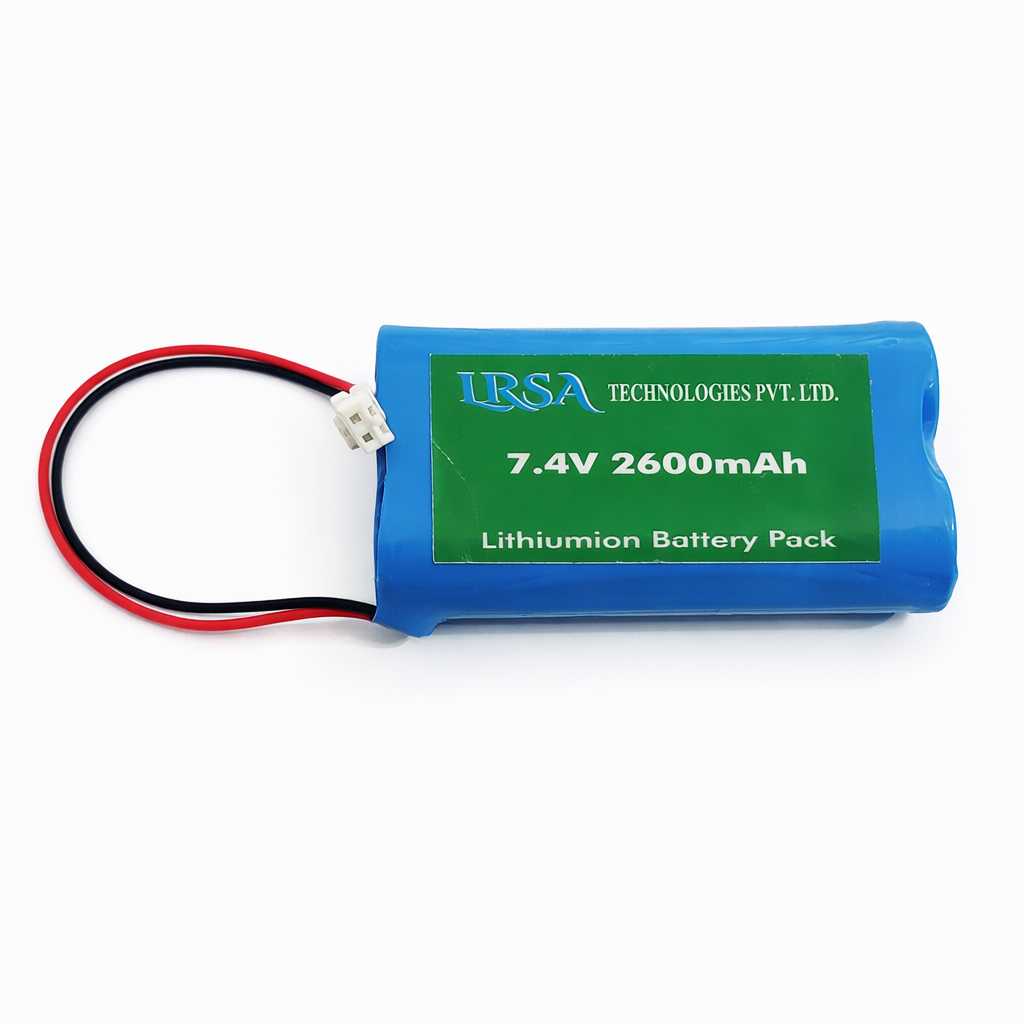
🟢 Key Features (Bullet Points) ✔ High Capacity 2600mAh – Long-lasting power backup for continuous and reliable performance.✔ Stable 7.4V Output – Consistent voltage supply for smooth device operation.✔ Lithium-Ion Technology – Lightweight, fast charging & low self-discharge.✔ Premium Build Quality – Strong outer wrapping with safety-tested cells for durability.✔ Wide Application – Suitable for electronic projects, DIY applications, instruments & compatible devices. CLICK HERE TO BUY : BUY NOW 🟢 Product Description The LRSA 7.4V 2600mAh Lithium-Ion Battery Pack is designed to deliver stable, efficient and long-lasting power for your electronic needs. Built using high-quality lithium-ion cells, this battery ensures better backup, longer life cycle and reliable performance. Its compact and lightweight design makes it ideal for various electronic devices, DIY projects, instruments and equipment requiring a 7.4V power source. LRSA batteries are manufactured with strict quality control standards to ensure safety, durability and performance. Whether you need a dependable replacement battery or a power solution for your project, LRSA Technology Pvt. Ltd. brings you a trusted and efficient energy solution. 🟢 Specifications Brand: LRSA Technology Pvt. Ltd. Battery Type: Lithium-Ion Voltage: 7.4V Capacity: 2600mAh Rechargeable: Yes Connector: As shown in image Country of Origin: India 🟢 Package Contents 📦 1 × LRSA 7.4V 2600mAh Lithium-Ion Battery Pack 🟢 Safety & Usage Disclaimer ⚠ Use compatible charger only.⚠ Do not overcharge or short-circuit.⚠ Keep away from heat and water.⚠ Not a toy – keep away from children.
Energy efficiency and reliability are much needed in today’s fast-paced world. From portable electronics to home power backup systems, lithium batteries are driving the next generation of energy innovation. Their superior performance, long life span, and lightweight design make them the most trusted power source both for consumers and industries. The Rise of Lithium Technology Unlike traditional lead-acid batteries, Li-ion and Li metal batteries are much more energy-dense and charge quickly. Lithium ion’s charge is highly efficient, meaning devices can recharge faster while offering long-term capacity. These advancements have transformed how we store and use energy – from smartphones to electric vehicles. Power Backup Made Smarter The lithium battery inverter has become a game-changer for both home and industrial applications. A lithium-ion battery for an inverter or lithium-ion inverter guarantees seamless operation with minimal maintenance. Be it offices or off-grid systems, 12V lithium-ion batteries or 12V Li-ion batteries ensure a reliable backup and excellent energy output to keep everything running seamlessly during power cuts. Innovation Beyond the Basics Beyond typical batteries, specialized solutions such as lithium polymer batteries (Li-Po) and compact cells like C2032 batteries are setting trends that continue to inspire innovative portable and wearable gadgets. These small, yet powerful cells offer consistent energy output across a wide application base-from smartwatches to medical devices. Sustainable, Efficient, and Future-Ready The shift to lithium-based energy storage isn’t all about performance; it’s about sustainability. Compared to older battery types, lithium technology reduces environmental impact and thus builds a cleaner, greener planet. At LRSA, we are committed to equipping the world with smart, durable, and efficient lithium battery solutions for applications ranging from everyday life to complex energy systems. The future is electric, and the guiding light is lithium batteries.
When it comes to capturing every perfect shot, your camera battery is the silent powerhouse behind the lens. For professional photographers and videographers in 2025, reliable and long-lasting power options need to be available for high-performance equipment and extended hours of shoots. Whether you shoot with a Canon camera, Sony, or Nikon, selecting the right battery type ensures consistent performance with fewer interruptions to your creative workflow. Canon LP-E17 Battery: A Perfect Balance of Performance and Value The Canon LP-E17 battery continues to be in demand, catering to a wide range of Canon DSLR and mirrorless cameras. Lightweight and compact, it provides adequate power for the Canon EOS M3, M5, M6, and Rebel series cameras, among others. This Canon LP-E17 promises 2-3 continuous hours of shooting time, depending on camera settings and conditions. Why it’s great for professionals: Long-lasting power output Compatible with multiple Canon cameras Compact design for travel shoots Excellent battery health retention over time If you are a content creator or a photographer on-the-go, having an extra Canon LP-E17 battery or two ensures that you never miss that shot. 2. V-Mount Battery For Professional Video & DSLR Setups For filmmakers and videographers, the V-mount battery is the powerhouse option. These batteries have higher capacity and power not just your Canon camera, but also lights, monitors, and other video accessories through D-Tap or USB outputs. Key advantages of V-Mount Batteries: Longer runtime for extended shooting sessions Ideal for heavy-duty production cameras Compatible with multiple brands including Canon, Sony, and Nikon setups Rechargeable and durable for outdoor use Pairing your Canon camera battery setup with a V-mount battery will give you a professional solution for both studio and field shoots. 3. Comparison of Popular Camera Battery Brands in 2025 While Canon batteries are built for compatibility and reliability, many pros use multiple camera systems. Here’s how they stack up in 2025: Canon Camera Battery: known for consistency, speed in charging, and great temperature resistance. Sony Camera Battery: Renowned for efficient power management in mirrorless systems. Nikon Camera Battery: Provides great durability and high-capacity performance for DSLR users. Each brand has optimized its batteries for modern sensors and video capabilities, ensuring you get maximum output from your gear. 4. DVR Battery – For Security and Surveillance Professionals A DVR battery is essential in your work if you are working with security systems or portable recording devices. Contemporary DVR batteries boast larger capacity and fast charging technology, which perfectly fits surveillance setups and continuous recording conditions. Features to look for: Long backup duration Overcharge and heat protection Compact size for easy installation 5.Tips to Extend Your Camera Battery Life Even the best batteries need good care to function as expected. Check these pro tips about how to extend the life of your Canon LP-E17 or V-mount battery Avoid complete discharge before recharging.. Store batteries in a cool, dry place. Use only original or certified Canon battery chargers. Always have spare batteries prepared for long shootings. Conclusion In 2025, professional creators require reliable power solutions to keep cameras running. Whether you’re an everyday photographer who prefers the compact Canon LP-E17 battery or a professional videographer who relies on the heavy-duty V-mount battery, investing in quality batteries will make a huge difference in your work. From Canon camera batteries through Sony, Nikon, and all the way to DVR batteries, the right power keeps you focused on creativity, not on your battery life.